Mississippi River Initiative
The Mississippi River
Plastic Pollution Initiative
Why this matters
The Mississippi River is the drainage system for 40% of the United States, spanning all or part of 31 U.S. states and 2 Canadian provinces. Plastic waste and litter travel through storm drains, tributaries, and rivers into the Mississippi River and eventually into the ocean.
40%
Of the U.S. drains into the Mississippi watershed
31
U.S. states connected to the river system
2
Canadian provinces connected to the system
3+
Project phases across river communities
From commitment to coordinated action
Transforming research and local engagement into measurable impact
Mississippi River cities play a critical role in collecting data, spreading awareness, and supporting local action around plastic pollution in inland waters.
Data Collection
Communities help document pollution sources, materials, and intervention opportunities.
Education & Outreach
Cities share public education materials on plastics in inland waters and local impacts.
Partner Coordination
Local governments, civic groups, universities, and nonprofits align around practical action.
Scalable Solutions
Pilot models are tested, refined, and expanded across more cities throughout the river corridor.
Initial pilot phase
The initiative began in Spring 2021 with data collection in three pilot locations along the Mississippi River: Baton Rouge, Louisiana; St. Louis, Missouri; and St. Paul, Minnesota. These pilot cities promoted education and outreach materials about plastics in inland waters and supported local data collection events in their communities.

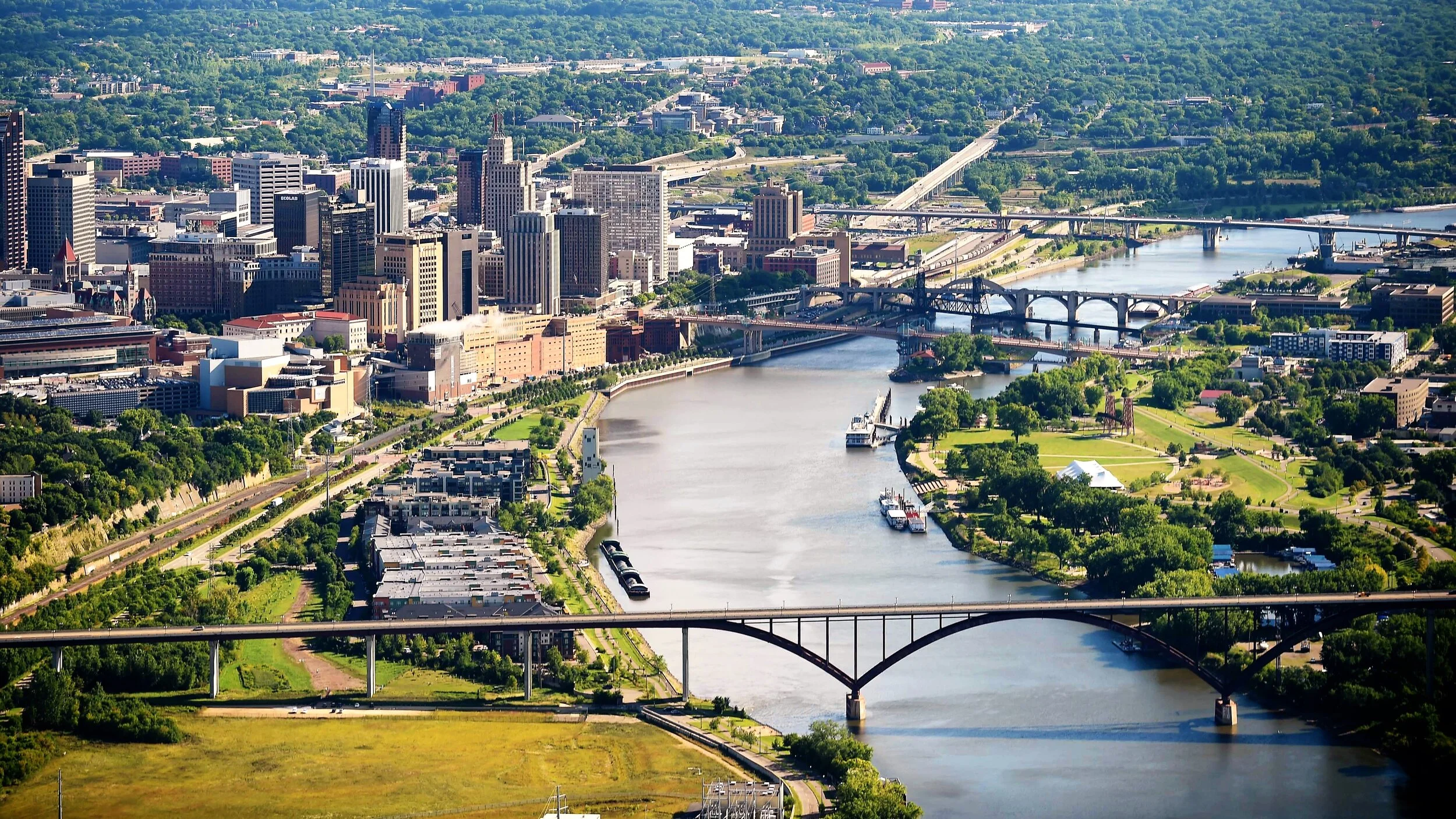
St. Paul, Minnesota
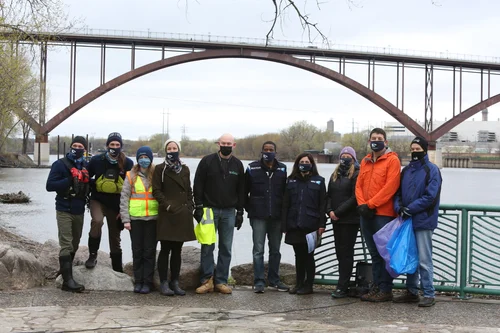
St. Paul represents the upper river of the Mississippi. As the capital of Minnesota, the city has a large commercial, manufacturing, and transportation industry. It also has more shoreline on the Mississippi than any other city and serves as the head of navigation of the river.
St. Louis, Missouri
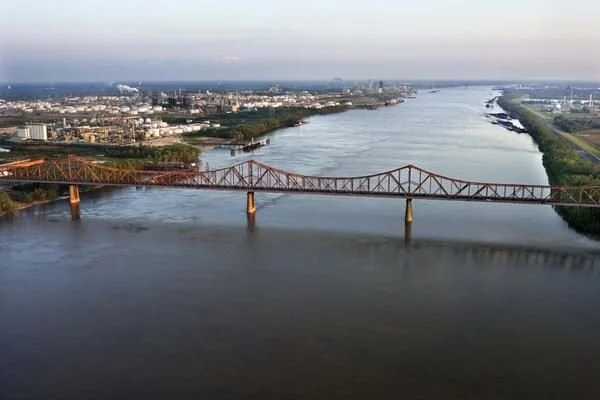
St. Louis represents the middle of the Mississippi River. Located on the western bank of the river, it is one of the major cities in the river valley and remains a major distribution and transportation center within the inland waterway system.
Baton Rouge, Louisiana
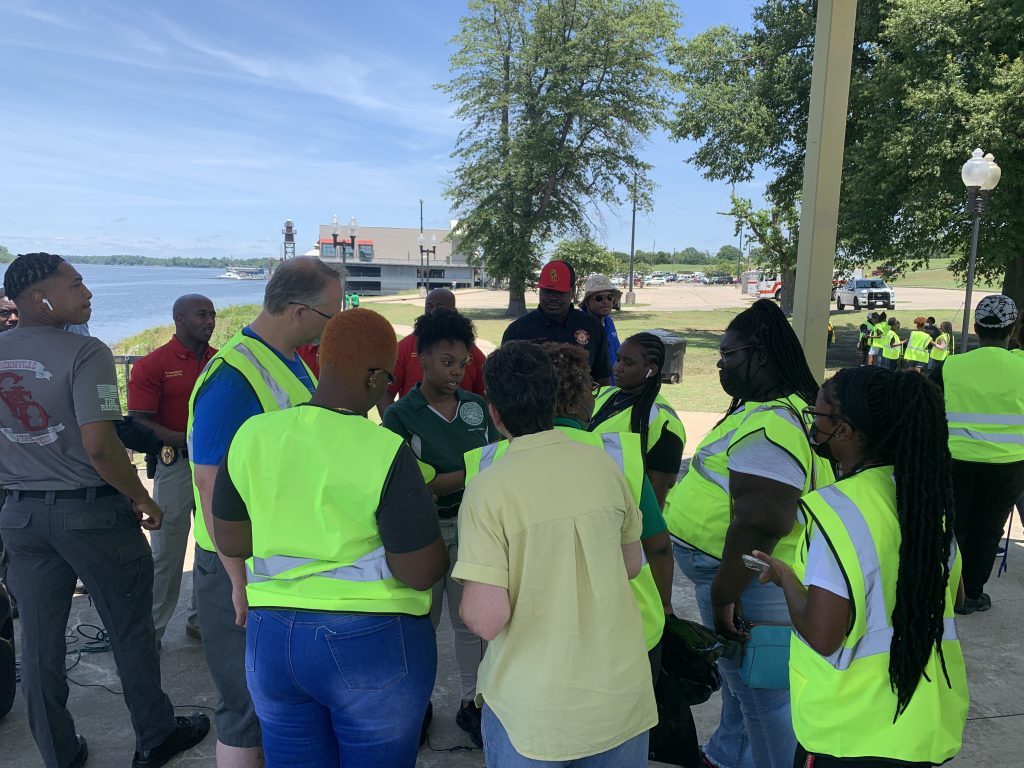
Baton Rouge represents the lower river of the Mississippi. Located in southeastern Louisiana, Baton Rouge sits near the mouth of the Mississippi River and remains integral to the nation’s logistics and energy networks.
Quad Cities expansion
The second phase was implemented in October 2021 in the Quad Cities located in Illinois and Iowa, straddling the Mississippi River: Bettendorf, Davenport, Rock Island, Moline, and East Moline. These cities promoted education and outreach materials about plastics in inland waters and supported local data collection events in their communities.
Communities included
Bettendorf, IA; Davenport, IA; Rock Island, IL; Moline, IL; and East Moline, IL.
The second phase was implemented in October 2021 in the Quad Cities located in Illinois and Iowa, straddling the Mississippi River: Bettendorf, Davenport, Rock Island, Moline, and East Moline. These cities promoted education and outreach materials about plastics in inland waters and supported local data collection events in their communities.
In the Mississippi Delta
The initiative began in Spring 2021 with data collection in three pilot locations along the Mississippi River: Baton Rouge, Louisiana; St. Louis, Missouri; and St. Paul, Minnesota. These pilot cities promoted education and outreach materials about plastics in inland waters and supported local data collection events in their communities.
Help protect one of the world’s greatest waterways
Whether you are a city leader, partner organization, funder, educator, or community member, there is a role for you in reducing plastic pollution across the Mississippi River watershed.
